
BLog

How Can An Oral Piercing Affect Your Teeth?

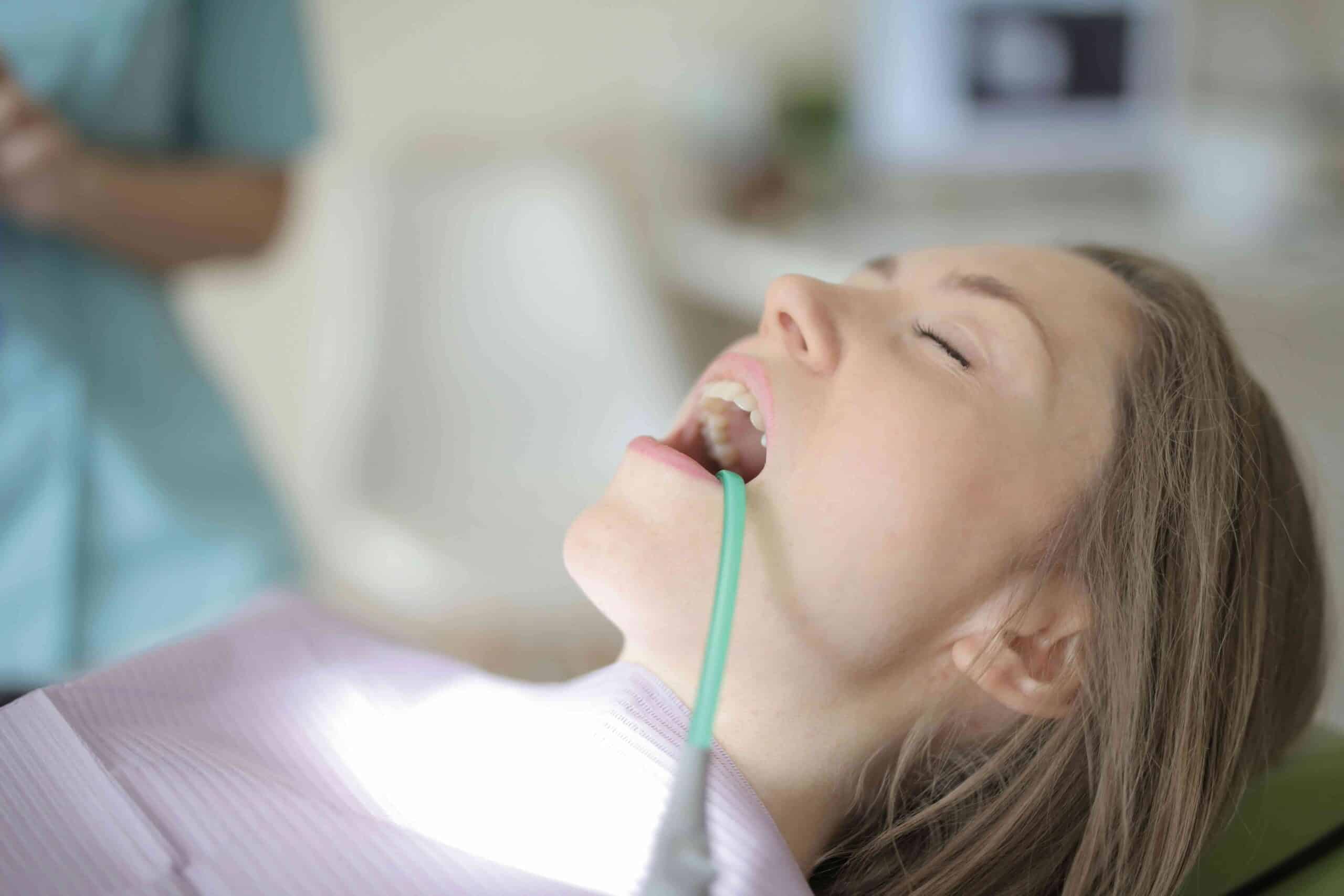
LOS ANGELES, CALIFORNIA—People get an oral piercing as a conscious decision to change their aesthetics, but many of them are unconscious of how that decision could change their aesthetics in addition to the new jewelry.

“Oral piercings can greatly affect oral and orthodontic health,” says Dr. David Alpan, a Los Angeles orthodontic specialist.

Tongue piercings and some other types of oral piercings typically interfere with speech, chewing or swallowing at least temporarily, which are inconveniences the person often is aware of. But many side effects of piercings can be serious and long-term or permanent problems that require expensive treatment or repair.

More →

The Benefits of Invisalign

Dr. Alpan Discusses the Benefits of Invisalign

Patients who come into my practice with crooked teeth or too much space between their teeth, overbite or underbite issues, other alignment issues that are causing them to smile less, have prematurely worn teeth,  or even severe jaw pain, are often searching for a way to get a beautiful, healthy smile without the hassles of wearing braces and other orthodontic appliances.

Invisalign is a clear system that gives patients the ability wear aligners without anyone noticing them. Patients change their aligners gradually over time, which shifts their teeth into the desired position.  It’s unnoticeable, and patients can remove the aligners when they eat, brush, and floss, so they can keep everything nice and clean.

Invisalign is a little more flexible than the braces option, and the transformation that we find with patients’ smiles is incredible. There is an increase in their level of self-confidence and self-esteem.  The results are very rewarding.

If you’d like to learn more, please don’t hesitate to click through our website.  When you are ready, give us a call, schedule a consultation, or feel free to submit a request form online, and a member of our team will be sure to contact you.


Get Straighter Teeth By Prom With Invisalign Teen

LAS VEGAS, NEVADA-Dr. David Alpan, a Las Vegas orthodontist at Aesthetic Orthodontics, says that teens who are interested in straightening their teeth can get results before the big events near the end of the school year, such as prom or graduation.

Invisalign Teen is a treatment method that is ideal for patients who want the beautiful smile without the traditional metal brackets and wires,” says Dr. Alpan, who has offered this treatment since 2008.

More →

Orthognathic Surgery and Orthodontics


Aesthetic Orthodontics Orthognathic Surgery Patient Testimonial

In my practice, I try to avoid recommending surgery to my patients as much as possible, but there are situations in which corrective jaw surgery, known as orthognathic surgery, is the best solution to creating the most ideal smile. Orthognathic surgery is performed by an oral and maxillofacial surgeon to correct functional, health, or cosmetic problems of the mouth and jaw.

According to the AAOMS (American Association for Oral and Maxillofacial Surgeons), some of the reasons that may cause a need for corrective jaw surgery include:

  • difficulty chewing, or biting food
  • difficulty swallowing
  • chronic jaw or jaw joint (TMJ) pain and headache
  • excessive wear of the teeth
  • open bite (space between the upper and lower teeth when the mouth is closed)
  • unbalanced facial appearance from the front, or side
  • facial injury or birth defects
  • receding chin
  • protruding jaw
  • inability to make the lips meet without straining
  • chronic mouth breathing and dry mouth
  • sleep apnea (breathing problems when sleeping, including snoring

Many of these same problems are treated in my office without the need for surgery, but in special cases where the jaw is misaligned, it is necessary for the patient to undergo surgery to achieve the desired results.  The practice of orthodontics is meant specifically to correct occlusions (bite) problems when the teeth are misaligned, but when the jaws are misaligned, surgery is sometimes necessary to correct that misalignment.

If you are a candidate for orthognathic surgery, your treatment will most likely include orthodontics before and after the surgery. Braces are used to align the teeth in preparation of the repositioning of the jaws. Post-surgery they are used to continue straightening the teeth and fine-tuning the bite. It can be a long process, but in the end, you will not only achieve the functionality in your mouth that you had been missing, but you will have better aesthetic results as well.  When I have an orthognathic surgery patient, I work very closely with that patient’s dentist and surgeon so that we can serve the patient’s needs as a team.

For more information about orthodontic treatment, please give Aesthetic Orthodontics a call and I will be happy to discuss treatment with you further at no cost to you.  If you are considering orthognathic surgery as an option, there are a number of resources available to you to make you more informed of the process.  Go to the AAOMS website, view other patient experiences on YouTube, and use a search engine to find out more info.  This doctor from Brighton, Michigan also has a great video about patients’ experiences.

Electing to have surgery is a big deal. When you are ready to make that decision, make sure you have a good team behind you and that you feel comfortable with the course of action.


Smiles of the Rich and Famous

I saw this article online at www.zeel.com and thought it really hit home for adults considering orthodontics, especially those living amongst the stars here in Los Angeles.  


Posted on: June 21, 2011
By: StacyAtZeel

http://www.zeel.com/g/smiles-of-the-rich-famous-celebrity-braces/2011/06/21

Longing for a Hollywood smile? Eva Longoria did too. In the July issue of InStyle magazine, the Cristiada leading lady reveals that she is currently sporting, yes, braces to realign her bottom teeth.

Let’s get one thing straight. The 36-year-old actress isn’t the only celebrity to seek an improved smile through orthodontics. For many adults, the only thing more embarrassing than a dreaded tin grin is a mouthful of crooked teeth, so it’s no wonder that one in every five orthodontic patients has long since graduated from wearing a training bra.

The beauty of present day orthodontics is that there are many ways to straighten your smile. Crowded, gapped and overlapping teeth can be perfected with traditional metal braces or with less noticeable clear brackets. For adults who prefer a more concealed style, lingual braces can be fastened to the backs of the teeth. And for those who want to avoid tooth attachments altogether, Invisalign—removable bite trays that shift the teeth into place—can be a practical solution.

Which treatment is right for you? Take a cue from these beaming celebrities who turned to adult orthodontia to enhance their headshots.

Tom Cruise, Age 39

While taking his kids to the orthodontist, silver screen icon Tom Cruise decided to fix his already dashing smile after discovering that his front teeth were not perfectly centered. Cruise opted for invisible braces, though he removed the orthodontia while filming.

Zeel Expert and New York City orthodontist Elisa Mello appeared on Inside Edition to discuss the actor’s dental treatment (you can watch the video here). Mello estimated that Cruise would need to wear the studs for 12 to 18 months.

Katherine Heigl, Age 28

Katherine Heigl never really wanted to fix her “wonky” teeth, that is, until she got engaged. “I want my teeth straight for my wedding photos,” the blonde beauty said in an interview with E! Online. Heigl chose to wear an Invisalign retainer, which she dubbed “Netflix for your teeth.”

Gwen Stefani, Age 30

Fashion icon and former rock-star Gwen Stefani donned full-blown metal braces on both her top and bottom rows of teeth. No doubt, they were as quirky an accessory as her magenta locks and too-short bangs. Still, she managed to nab herself a husband at the time.

Holly Willoughby, Age 30

A growing baby bump isn’t the only physical change this British anchorwoman and model is publicizing these days. “Brace yourselves, I’ve got braces…eek!” Willoughby tweeted earlier this month. The This Morningtelevision presenter chose barely-there clear brackets connected with a thin white wire.

Cher, Age 30s

Ok, so it was a long time ago. But music legend Cher did in fact wear braces as an adult. Cher observed her teeth shifting while at the dentist for a routine cleaning, and had the braces applied soon after. (Too bad Invisalign wasn’t invented yet.)

Learn How Orthodontics Can Help Protect You from Heart Disease

LOS ANGELES, CALIFORNIA – What does February’s American Heart Month have to do with an orthodontics expert’s practice in Los Angeles? It seems like the two are completely unrelated, but orthodontist, Dr. David Alpan explains how oral health is linked to cardiovascular health.
“Any time we can, we raise awareness about diseases and educate people about how to prevent them,” says Dr. Alpan. “I see thousands of patients, both pediatric and adult, so I use my regular contact with patients to pass along important health information.”
While gum disease, a chronic inflammatory disease that destroys bone and gum tissues that support the teeth, does not necessarily cause cardiovascular disease, the leading cause of death in the U.S., researchers have found that people with gum disease are almost twice as likely to suffer from coronary artery disease.

More →

Interproximal Reduction

Interproximal reduction is the removal of a small amount of enamel from between the teeth to reduce their width. It’s a way to acquire additional space between adjacent teeth to create ideal tooth alignment during orthodontic treatment.  Interproximal reduction (IPR) is also known as reproximation, slenderizing, stripping, enamel reduction or selective reduction.

Some patients can be put off by the the idea of having to have their teeth slightly reshaped during orthodontic treatment to achieve ideal results.  But, there are many benefits to IPR.

I mentioned that IPR is a way of creating space to improve tooth alignment, but it is also used to improve the bite. I often use IPR to improve the appearance of the teeth for a better aesthetic appearance.  In certain cases, it alleviates the need for permanent tooth extractions, and many times, IPR can increase the stability of the teeth so that they are able to retain their placement over time.  Further, it can also reduce what we call black triangles. Black triangles are created when there is an absence of gum tissue between two teeth and it looks like there is a dark triangular space or hole between the teeth, even though the teeth may be properly aligned.

To execute interproximal reduction, I typically use either a diamond strip (looks like a slate strip or nail filing strip) and move it in between the teeth, or I’ll use a dental handpiece that looks like a small dremel.  IPR is not uncomfortable or painful for the patient in any way, but the sound of the file can cause some unease. It will not lead to and increase in tooth decay or gum disease.  The important thing to remember is that IPR is a very safe and effective way of achieving ideal tooth alignment.

Interproximal Reduction System - Handpiece typically used for IPR

Extreme Teeth Makeover: The Case for Braces

Invisalign and other more modern braces offer aesthetically-conscious patients a way to straighten teeth.

Braces or Veneers? That is the question that many people face who are looking to make some changes to the appearance of their teeth. I always recommend that people try to resolve their misalignment issues with braces because orthodontic treatment does not compromise the structure of the teeth, and it’s a much more natural, healthy way to take care of teeth and jaw problems.

Some people are concerned about how they will look with braces on, and nowadays, there really is nothing to be concerned about.  With the addition of Invisalign and Incognito hidden braces to the orthodontic industry, patients no longer need to worry about being self-conscious about how they might look or feel with braces.  Even braces that fit over the front of the teeth are offered in less conspicuous styles with smaller brackets, clear brackets, and invisible ties. Orthodontic treatment undoubtedly takes longer to complete than the two or three dental visits required to fit veneers to teeth. However, most patients start seeing visible results with braces in just a couple of months.

Choosing veneers can be very risky as they do change the structural integrity of the tooth.  Dentists remove .5 mm of enamel so that the adhesive they use bonds to the teeth correctly.  The teeth are reshaped so that the veneers can fit.  This means that veneer patients are forever married to this treatment. Because of the loss of enamel and the type of reshaping, tooth decay can be an issue in veneer patients.  Additionally, veneers can be extremely costly with one tooth potentially costing thousands and lasting only ten years.

Reconstructing a mouth with veneers is extreme, and in many cases, the veneers could be avoided with orthodontic treatment.

There are some cases in which veneers can really add to the aesthetic of a smile. During orthodontic treatment, teeth can be somewhat reshaped, but people with significantly irregular shaped teeth can benefit aesthetically by fitting those teeth with veneers.  However, it is still my strong opinion and recommendation to undergo orthodontic treatment first and then evaluate whether or not you need further cosmetic dentistry.

Temporary Anchorage Devices Can Prevent The Need For Jaw Surgery

LAS VEGAS, NEVADA – Many technological advances have been made in the field of orthodontics during the last decade, including the development of temporary anchorage devices that can be used to treat complex malocclusions and may prevent the need for oral surgery.

This orthodontic treatment is one that Dr. David Alpan has been using at his Las Vegas orthodontic practice since 2006. TADs are mini implants or mini screws placed in the jaw that are used to move teeth without using other teeth as the anchor.

“With traditional braces, the wire ties all the teeth together and any movement of one tooth will affect the others,” Dr. Alpan explains. “A temporary anchoring device allows one tooth to be moved without impacting the adjacent teeth.”

A treatment plan that includes TADs can shorten overall treatment time and prevent the need of mini implants or jaw surgery. Dr. Alpan uses the VectorTAS, which stands for temporary anchorage system, a product from orthodontic technology leader Ormco, who also distributes Damon Clear braces.

“Orthodontists can get better angles and forces using TADs to help move the teeth, usually much faster and often eliminating the need for headgear or oral surgery,” Dr. Alpan says, who provides braces for adults and children.

More →

That’s Just Crooked

That’s Just Crooked

In most cases, crooked teeth are just another thing for which you can blame your parents as they are often inherited traits.  Overbites, underbites, misaligned teeth, and  misaligned bites are mostly a product of our genetic disposition.  But, before you condemn mom and dad, there are other reasons why teeth and bites become misaligned.

Some of the other reasons people may end up with teeth, bite or jaw problems include thumb-sucking, losing baby or adult teeth too early in life, gingivitis, poorly fitted dental restorations, or even putting a lot of pressure on your teeth and gums by grinding or clenching.

The good news is that whatever problems you think you or your parents may have caused, they are all fixable.  Usually, all it takes is a little orthodontic treatment to get those crooked teeth and jaws back in their place.